







At True Digitizing, we transform your creative spark into flawless, high-quality embroidery digitized designs that bring your vision to life.
We Accept

Copyright 2025 Truedigitizing






At True Digitizing, we transform your creative spark into flawless, high-quality embroidery digitized designs that bring your vision to life.
We Accept
Copyright 2025 Truedigitizing

Embroidery digitizing goes beyond converting artwork into stitches. You control every stitch so the final design will look clean, perfect & professional. Mostly prospective embroiderers focus on basic fills and satin stitches but when you move toward advanced techniques, you won't have to figure out advanced techniques like shading, gradients, color blending, stitching nature and so on.
Advanced digitizing techniques help you create complicated designs. These techniques reduce thread breaks, prevent puckering & of course improve embroidery quality.

Small lettering looks simple until you stitch it. One tiny word can decide whether a design looks clean or messy. Letters that are too close blur together. Thin strokes disappear. Edges turn rough. This is why many embroiderers avoid small text or accept poor results.
The good news is that small lettering can stitch clean and sharp if it is planned the right way. It is not about luck. It is about setup, digitizing, and testing. Once you understand what really affects tiny letters, your results improve fast.
This guide explains everything so you will be proficient at doing small letter embroidery designs.
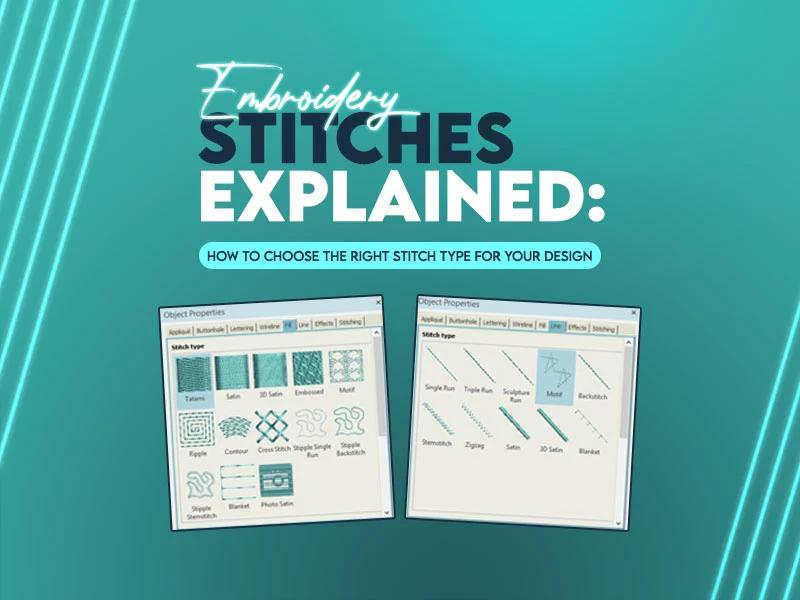
Every clean line, smooth fill, and sharp detail each and everything depends on one important thing and that is stitch type. Mostly beginners & even experienced embroiderers face difficulties here. You pick a stitch because you thought it would look nice, not because it suits your design. This mistake usually gives you loose threads, uneven texture, or designs that lose their stitching after washing.
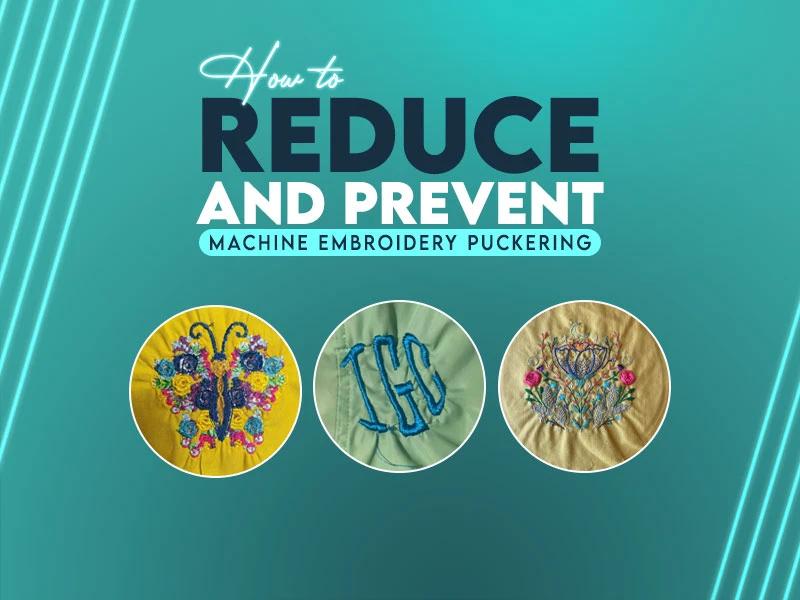
Doing embroidery is simple until puckering occurs and ruins all your hard work or efforts. Even the best machines and threads can’t save your designs but by understanding why it happens and how to prevent it, you control the outcome.
You finish an embroidery design with care and patience. The stitches look neat, the colors look right, and everything looks just perfect. Then you remove thehoop and notice the fabric looks pulled and uneven. This moment hurts you because all your effort feels wasted.
This guide covers practical ways to prevent puckering so your designs stay sharp and professional from the first stitch to the last.
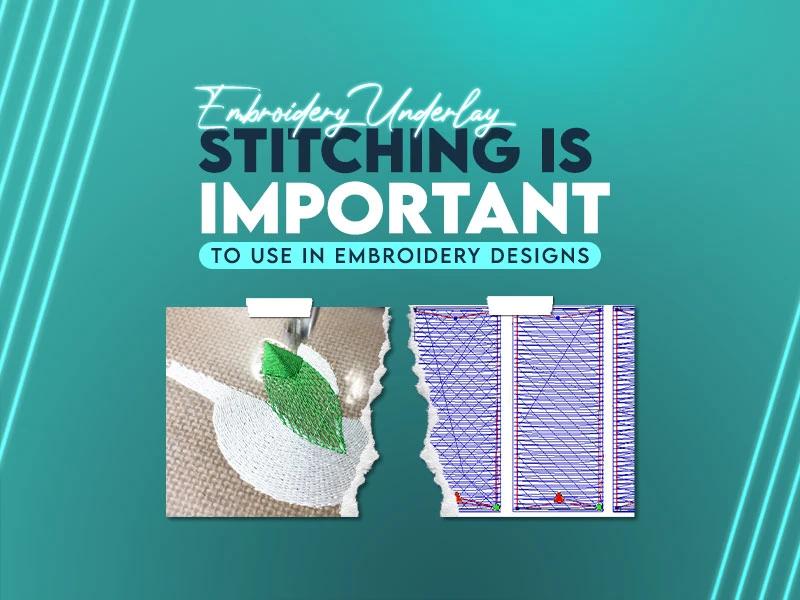
Many embroiderers focus only on top stitches because those are the stitches they can see. They increase density to fix gaps, add extra layers, and still struggle with puckering or breaking stitches. These problems don't improve because the foundation stays weak.
Embroidery underlay stitching creates that foundation. It supports the fabric, guides the top stitches, supports structure, coverage, and improves overall stitch quality. Once you understand how underlay works, embroidery becomes easier to control and far more consistent, plus it helps digitizers to control density and avoid heavy, stiff embroidery. That's why underlay is one of the most important parts of embroidery design.
In this guide, you'll understand what is embroidery underlay stitching, why it is so important to use it in embroidery designs and so on, so next time you will create embroidery designs without mistakes.
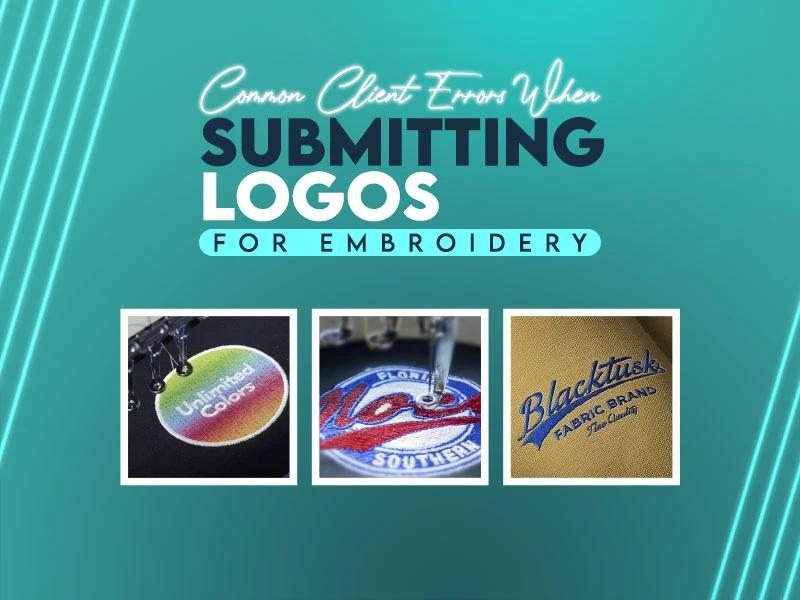
Ah! It is very common when clients send logos for embroidery and they expect perfect stitches, sharp edges, and a professional look but instead of getting perfect results, they receive an output that looks different from what they imagined. Design looks bad, details disappear, or the logo looks uneven. Usually this situation happens and most of the time, the problem doesn't come from the embroidery side. It starts with the logo submission.
Many clients don't even realize that embroidery follows different rules than printing or digital design. When clients submit logos without understanding embroidery basics, errors appear during digitizing and stitching.
This guide specillay for those clients who face these common challenges, you'll understand the most common logo submission errors so next time you can avoid these mistakes and get perfect embroidery results.

When people try 3D puff embroidery on hats for the first time, they expect a clean raised finish. But in many cases, the foam shifts, the stitches break, the design looks flat or the hat gets ruined. These problems make the process stressful, especially when you are working on hats with complex designs. The fact is, 3D puff embroidery on hats only turns out right when the design, machine, foam and stitching all work together.
This guide covers everything in a simple and practical way so you can get a bold, smooth and clean raised look every single time.
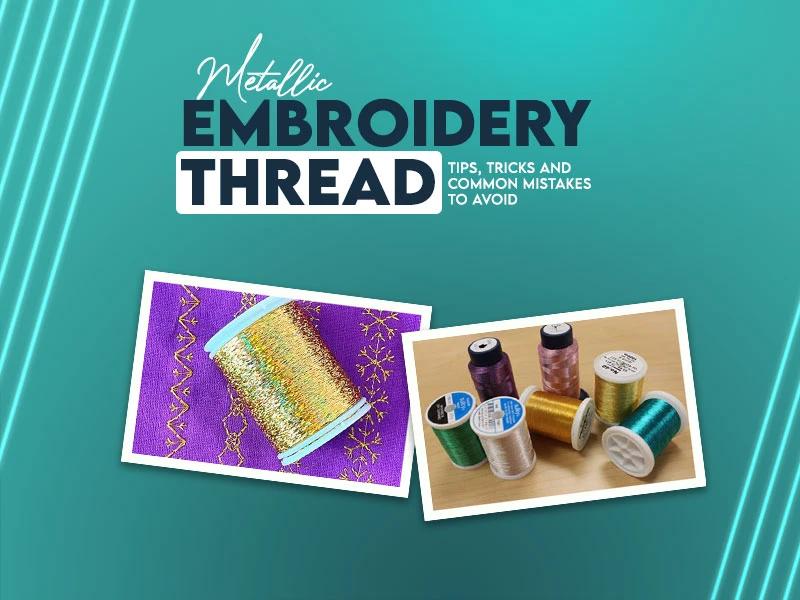
If you enjoy embroidery, you can relate, you may have tried using metallic embroidery thread many times. It gives your designs a shiny and bright look. But at the same time, it can be hard to handle. The reason is that the thread can twist, break or not stitch the way you want. Many people get upset when this problem happens.
If you are facing the same problems, then no worries. True Digitizing is here. We will share some tips and tricks with you, because with the right tips and a little care, you will make smooth and beautiful embroidery designs with the help of metallic thread.
In this post, you will understand simple tips, useful tricks and the common mistakes to avoid when using metallic embroidery thread.
By the way, True Digitizing is here if you need any type of embroidery digitizing services at very affordable rates. Our experts know very well how to prepare designs that sew neatly and give a perfect finish.
Let’s begin and learn step by step.
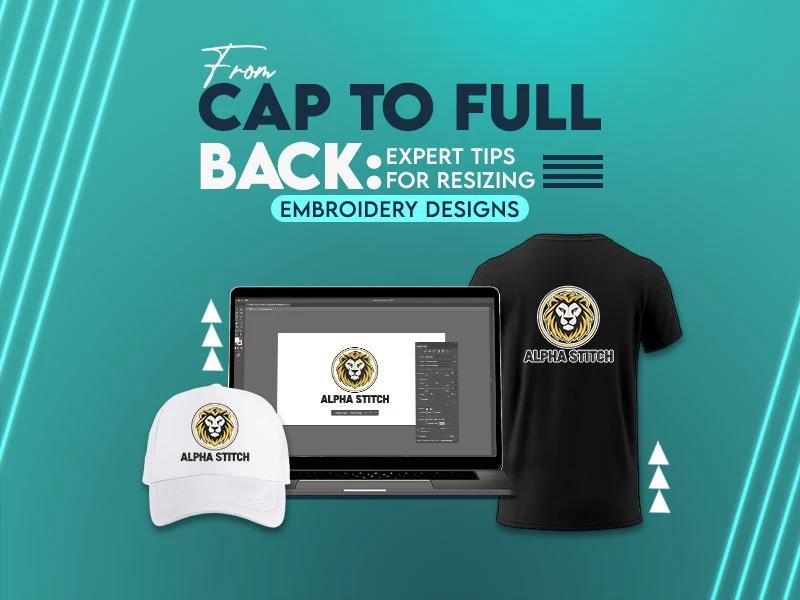
You have a design and you need it to look just as sharp on a cap as it does stretched across the back of a t-shirt, hoodie or jacket. That’s the challenge many embroiderers face. Sometimes designs look sharp at a small size but when you resize them, design gets blurry or stitching gets messy. In other words, when shrinking a design, parts vanish or distort.
In this informative blog post, you’ll get expert tips for resizing embroidery designs properly, either it is for caps or for full-back placements on T-shirts, jackets, hoodies & so on. If you’re just starting or already doing custom apparel, these techniques will help you preserve quality, avoid mistakes and deliver designs that look perfect at any size.

